
Why Gen Z Trusts Creators More Than Brands: The New Reality of Gen Z Marketing
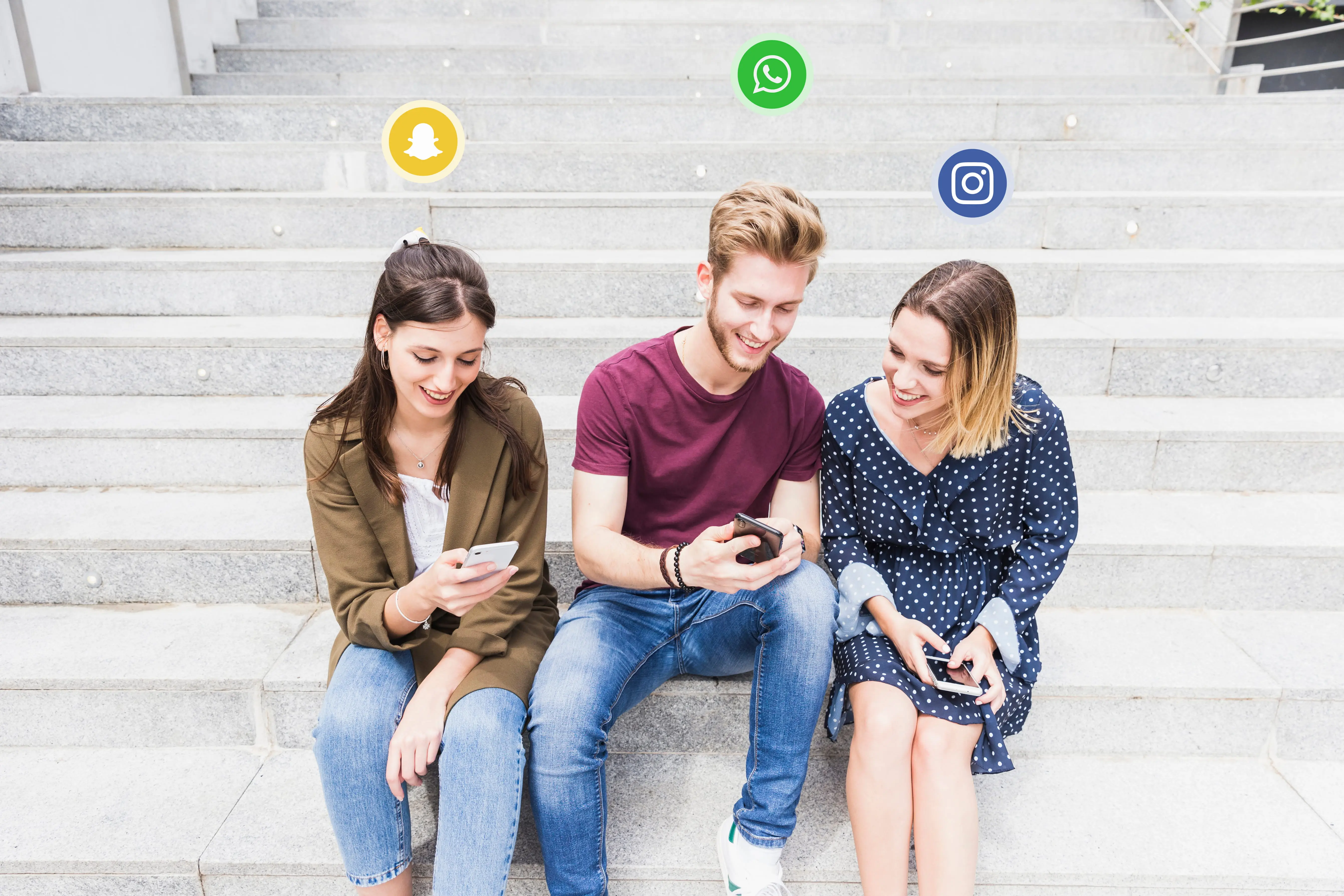
The modern consumer landscape has undergone a massive shift, and at the absolute centre of this disruption is Gen Z marketing. For decades, corporate brands controlled the consumer narrative through high-budget television spots, polished billboard imagery, and highly scripted magazine spreads.
However, the rise of a digitally native generation has completely rewritten these rules. Today, traditional corporate advertisements fail to capture the attention or the wallets of younger buyers. Instead, Gen Z turns to independent digital creators, vloggers, and micro-influencers to guide their daily purchasing decisions.
Understanding why this shift in credibility occurred is no longer optional; it is the foundational baseline for any brand attempting to survive the modern digital marketplace.
Why Gen Z Trusts Influencers More Than Brands? Common Reasons
Gen Z trust in influencers comes from a strong psychological shift away from traditional advertising. They process digital content quickly and rely on authenticity, relatability, and familiarity to decide what feels credible.
- 1. Strong “Corporate Filter” Against Ads
Gen Z quickly identifies anything that feels like a traditional advertisement. Years of exposure to targeted ads and promotional content have trained them to ignore overly scripted or sales-driven messaging almost instantly. - 2. Rejection of Idealised Advertising
Unlike earlier generations, Gen Z does not respond to perfect or aspirational lifestyles shown in ads. They prefer real-life situations because overly polished content feels unrealistic and disconnected from their everyday experiences. - 3. Preference for Raw and Unedited Content
Unedited videos, casual setups, and honest reviews feel more trustworthy. When creators show both positives and flaws of a product, it signals honesty, which increases credibility and reduces skepticism. - 4. Desire for Relatable, Human Connection
Gen Z responds strongly to content that feels personal and relatable. Creators often share daily life moments, which makes their recommendations feel like advice from a friend rather than a brand trying to sell something. - 5. Parasocial Relationships with Creators
Over time, audiences build one-sided emotional bonds with creators through repeated exposure. This “parasocial relationship” creates familiarity and trust, making influencer recommendations feel highly credible and influential in decision-making.
According to data from the 2026 Talker Research Trust & Attention Report, 70% of Gen Z consumers find brands significantly more credible when they provide useful, genuine insights rather than polished aesthetic fluff.
Ready to stop wasting ad spend and start building a hyper-engaged community of loyal brand advocates? Our social media experts build custom creator programs that align with current digital trends and generate maximum engagement.
Get Started with Social Media Marketing3 Critical Mistakes Brands Make in Creator Marketing

Despite knowing that the creator economy holds the key to younger audiences, many marketing departments make critical errors when executing their campaigns. Avoiding these three pitfalls is essential to keeping your brand from looking out of touch.
Mistake 1: Treating Creators Like Traditional Media Inventory
Many companies approach influencer marketing with the same mindset they use when buying a Google banner ad or a Facebook sidebar placement. They view the creator merely as a billboard space to be rented.
The Reality: Creators are not just distribution channels; they are community leaders and creative directors. Forcing a creator to read a strict corporate script destroys the exact authenticity that made their audience trust them in the first place.
Mistake 2: Prioritising Follower Counts Over Real Community Engagement
It is incredibly easy to get blinded by massive follower numbers. Brands often allocate their entire creator marketing budget toward a single macro-celebrity with millions of followers, expecting a massive surge in sales.
The Reality: High follower counts frequently result in highly diluted engagement. Micro-influencers (those with 3,000 to 20,000 followers) usually maintain a far tighter, hyper-engaged community. Gen Z looks for deep value alignment and shared identity, which is far more visible in smaller, focused digital communities.
Mistake 3: Over-Automating Relationships via AI Tools
With the explosion of automated platforms in 2026, many brands use automated scripts to scale their outreach, mass-generate generic briefs, and track creator interactions without any human touch.
The Reality: While data tracking is vital, over-automation creates cold, robotic interactions. In fact, HubSpot’s 2026 State of Marketing Report explicitly highlights that human-led marketing and authentic creative empathy are what ultimately secure consumer trust and drive conversions in an AI-saturated landscape.
Partner With Our Strategy Team
If you are looking to audit your current brand positioning or need a tailored growth roadmap to reach younger demographics, let's collaborate to build a transparent, high-ROI campaign.
Contact Us to Build Your RoadmapBy the Numbers: How Creators Influence Buying Decisions
The shift toward the creator economy trends is firmly backed by solid economic numbers, making it a critical focus for predictive search tools and AI Overview Keywords. Gen Z does not view social media merely as an entertainment platform; they use it as their primary search engine, product discovery catalog, and storefront.
| Metric Category | Industry Benchmark & Data Insight | Source Attribution |
|---|---|---|
| Trust Preference | 88% of Gen Z trust relatable influencers over traditional, detached celebrities. | AFFiNCO Insights |
| Purchasing Velocity | 44% of Gen Z consumers make purchases weekly based directly on creator posts. | Consumer Survey Data |
| Content Authenticity | User-Generated Content (UGC) drives 6.73x higher conversions than brand-created media. | Q1 2026 Yahoo Finance / Billo |
| Marketing Efficiency | 76% of modern marketers report that creator collaborations yield a significantly higher ROI than other channels. | HubSpot Marketing Data |
These statistics prove that consumer attention has permanently moved away from corporate web portals. If your current Gen Z marketing efforts rely solely on standard programmatic ads, you are actively spending money on visibility that the target audience is conditioned to ignore.
How To Optimise Your Strategy for the Gen Z Market

- 1: Build long-term creator partnerships
Instead of short campaigns, focus on long-term collaborations so creators build consistent trust and familiarity with their audience over time. - 2: Give creators full creative freedom
Allow creators to design content in their own style because Gen Z responds better to natural storytelling than scripted brand messaging. - 3: Use authentic user-generated content
Feature real customer and creator content across your platforms to increase trust, as Gen Z values genuine experiences over polished ads. - 4: Show real-life product usage
Demonstrate how products work in everyday situations rather than making claims, so audiences clearly understand real value and relevance. - 5: Prove brand values through actions
Instead of stating values, show them through real behavior and decisions, so Gen Z can see authenticity in practice, not just words.
Speak with a Specialist Today
Have questions about your current marketing infrastructure or want an immediate analysis of your digital presence? Speak directly with one of our senior marketing consultants right now.
Call Us TodayConclusion
Gen Z marketing is no longer defined by visibility or budget size. It is defined by trust. Creators win because they feel real, consistent, and relatable, while traditional brand messaging often feels distant and controlled.
For brands, success now depends on understanding this shift and building relationships through creators who already have the trust of their audience.
FAQs
1. Why is Gen Z marketing shifting toward creators instead of brands?
Gen Z marketing is shifting toward creators because they trust real people more than traditional brand advertising. Creators feel more authentic, relatable, and less promotional.
2. Why do creators feel more trustworthy than brands?
Creators feel more trustworthy because they share real experiences and honest opinions. Their content is less scripted, which makes it more believable for Gen Z audiences.
3. How does the creator economy impact Gen Z marketing?
The creator economy impacts Gen Z marketing by changing product discovery from ads to creator content. People now rely on creators’ recommendations instead of brand messaging.
4. How does creator marketing influence buying decisions?
Creator marketing influences buying decisions by showing real product usage and results. This helps users understand value quickly and builds trust before purchase.
5. What role does trust play in Gen Z marketing?
Trust is the key factor in Gen Z marketing. Buying decisions are driven by creators they regularly watch and feel connected to, not by traditional brand promotions.
Spotlight GB
Editorial Team


