
Google Is Testing Sponsored Shops in SERPs: What This Means for Advertisers
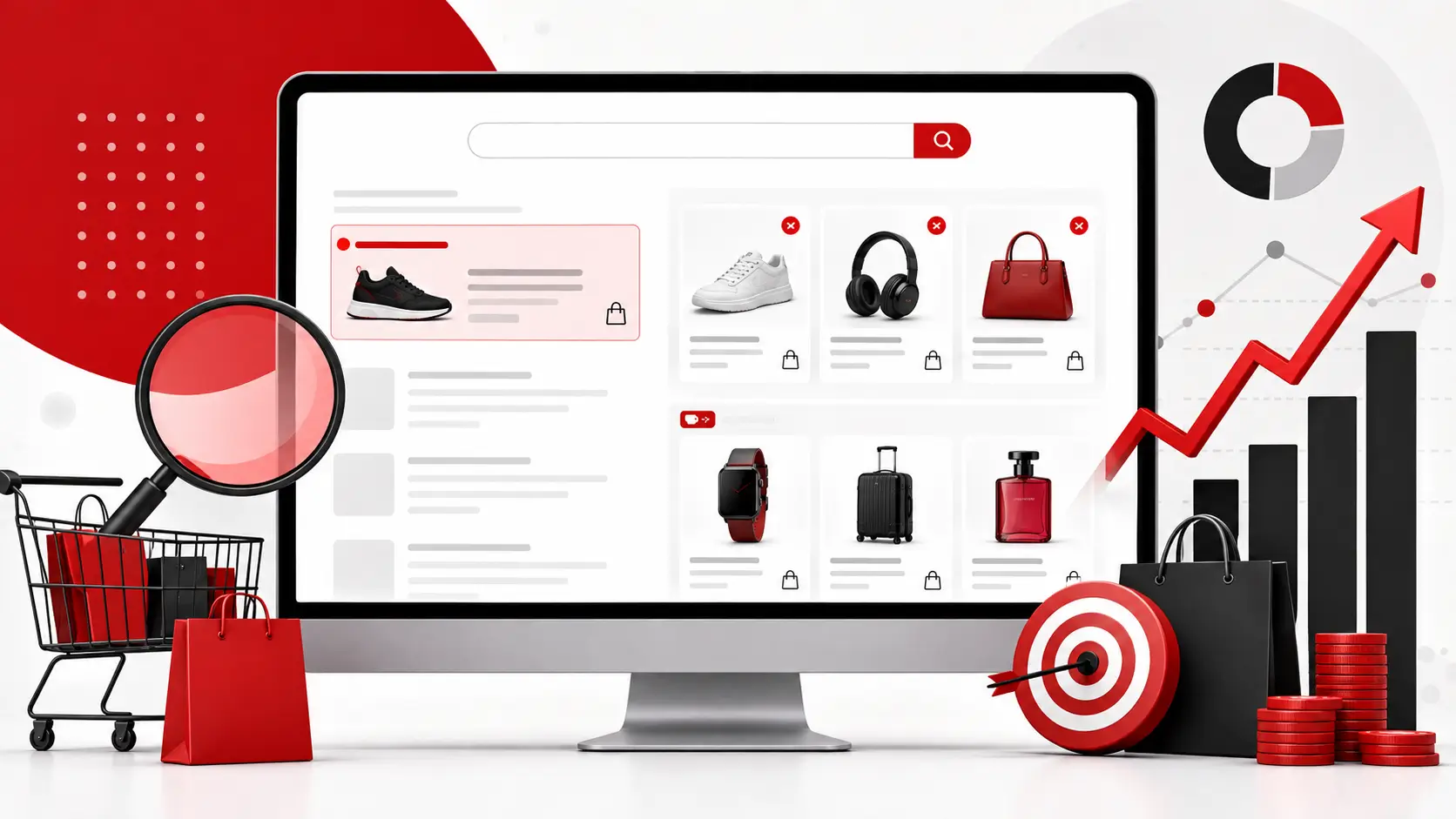
Google is testing a new Shopping advertising format called Sponsored Shops, which groups multiple products from the same retailer into a single sponsored unit.
The format can show several products alongside the retailer's name, ratings, and other store-level signals. Instead of presenting shoppers with separate product listings from competing retailers, the test creates what looks more like a compact storefront within Google Shopping.
Sponsored Shops is currently a test, not a confirmed permanent Google Ads feature. Google has not announced a broad rollout, so advertisers should avoid treating the format as an established campaign type.
However, the test is significant because it could change how retailers compete for attention in Shopping results.
Why Does the Sponsored Shops Test Matter?
Google Shopping has traditionally focused heavily on individual products. Advertisers compete through factors such as product relevance, feed quality, pricing, bidding, and campaign performance.
The new format potentially shifts some attention from the individual product to the retailer as a whole.
A Sponsored Shops unit could allow shoppers to see several products from one retailer at once. This means factors such as product assortment, customer ratings and the quality of merchant information could become more visible during the shopping journey.
For advertisers, this raises an important question: Will Google Shopping increasingly evaluate how compelling a retailer is, rather than simply how relevant one product is?
The current test does not provide enough evidence to answer that definitively. It does, however, point towards a broader change in how Google presents commercial information.
How Does Sponsored Shops Fit Into Google's Shopping Changes?
The test comes as Google continues expanding Shopping beyond traditional product listings.
Google has introduced features that give merchants more opportunities to present information about their businesses, including Merchant Brand Profiles. These profiles can provide shoppers with additional information about a retailer and its products.
Google is also investing heavily in AI-powered shopping experiences and conversational product discovery.
Sponsored Shops fits into this wider direction by giving retailers more visibility within the search experience rather than treating every product as an isolated listing.
That does not mean Google is abandoning product-level advertising. Instead, the test suggests that product discovery and retailer discovery may increasingly overlap.
What Could Change for Shopping Advertisers?
If Sponsored Shops expands, advertisers may need to think beyond individual product performance.
A retailer could potentially be judged by the combined quality of its:
- Product catalogue
- Product information
- Images
- Customer reviews
- Merchant information
- Availability
- Overall shopping experience
This could make store-level optimisation more important.
However, it would be premature to claim that these factors are confirmed ranking or eligibility signals for Sponsored Shops. The format is still experimental, and Google's final implementation could differ from what advertisers are currently seeing.
Could Performance Max Be Connected to Sponsored Shops?
One of the major unanswered questions is how advertisers would access the format if Google launches it more widely.
Performance Max is one possibility because it already uses Google's automation to distribute Shopping and other advertising assets across Google's properties.
However, Google has not officially confirmed that Performance Max will be the campaign type behind Sponsored Shops.
Advertisers should therefore avoid changing their account structure based solely on speculation.
Instead, maintaining strong Shopping campaigns and accurate product data provides a useful foundation regardless of how Google eventually makes the format available.
What Should Retailers Do While the Test Continues?
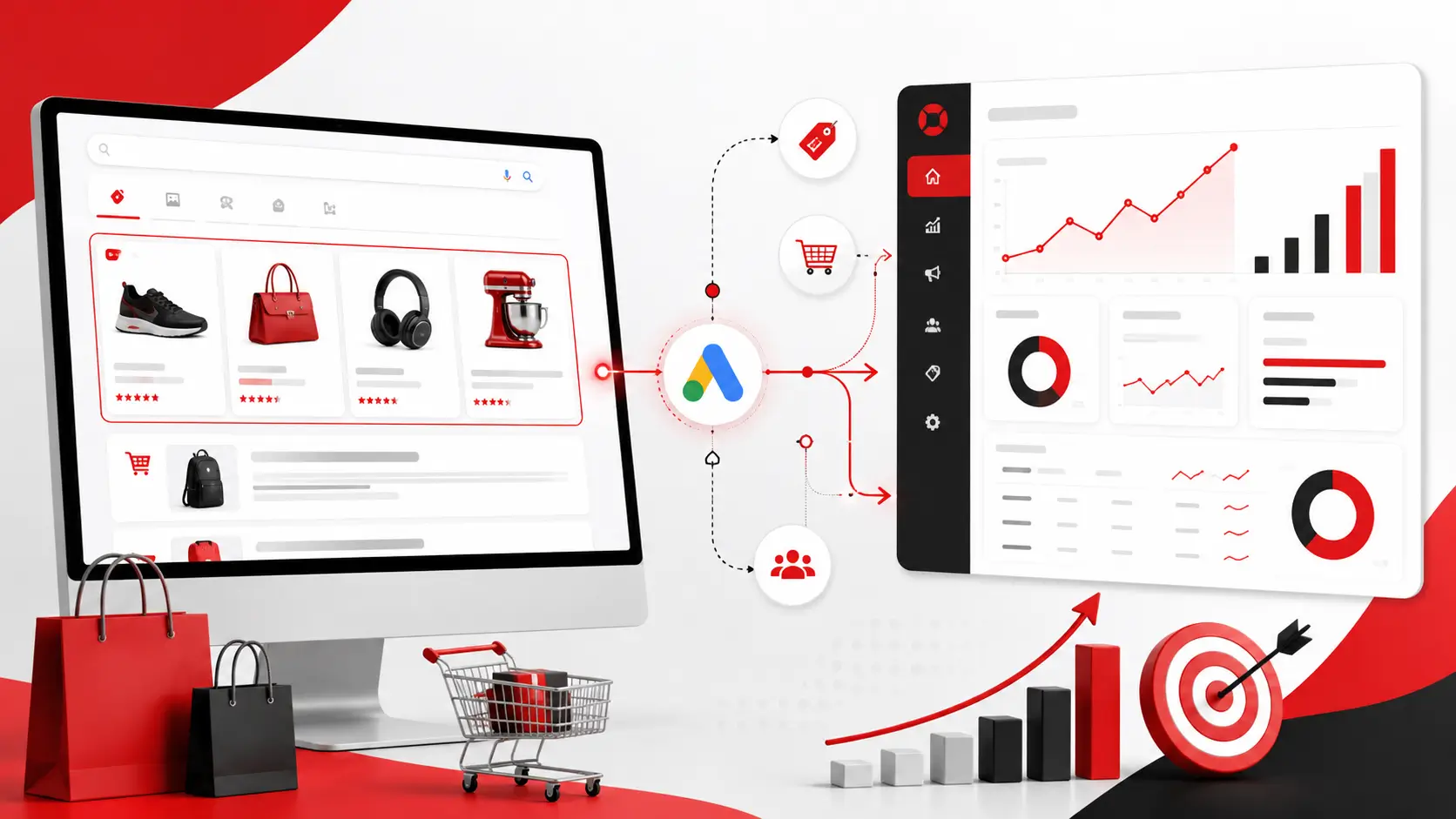
If Sponsored Shops expands, retailers will benefit from having accurate product information, reliable tracking and well-structured Shopping campaigns already in place.
As Google continues testing new Shopping formats, businesses can review their Google Shopping and PPC services to ensure their campaigns, product feeds and conversion tracking are ready for changes.
Should You Check Your Product Feed?
Yes.
A clean and accurate Google Merchant Center product feed remains important for Shopping campaigns. Review product titles, descriptions, images, identifiers, prices and availability regularly.
Google's Merchant Center guidance recommends providing complete and accurate product information to help Google understand and display products correctly.
This preparation is useful whether or not Sponsored Shops becomes a permanent feature.
Should You Monitor Seller Ratings?
Retailers should also keep an eye on customer feedback.
If store information becomes more prominent within Shopping ads, ratings and customer experience could have greater influence on shoppers' decisions.
This does not mean seller ratings have been confirmed as a Sponsored Shops ranking factor. Instead, it is a practical reminder that advertisers should not focus exclusively on bids and product feeds while ignoring the customer experience behind the advertising.
Should You Review Your Product Assortment?
It is worth checking whether your eligible products are properly represented in Merchant Center.
A multi-product format naturally makes assortment more visible. Missing products, incorrect availability, or incomplete feed information could limit what Google can represent.
The objective should not be to add products simply to make a catalogue look larger. Focus on accurately representing the products you genuinely sell.
Could Sponsored Shops Change Shopping Attribution?
Another issue advertisers should watch is measurement.
A single Sponsored Shops unit could potentially contain several interaction points. A shopper might click an individual product, interact with retailer information or explore another part of the unit.
If the format launches at scale, advertisers may need to understand how these interactions appear in Google Ads and analytics reporting.
For now, maintaining accurate conversion tracking and comparing advertising data with first-party business data remains the sensible approach.
What Does the Test Mean for Smaller Retailers?
It is too early to say whether Sponsored Shops will favour large retailers.
Larger businesses may have broader product catalogues and more established review profiles. Smaller retailers, however, can still compete through accurate product information, strong customer experiences and highly relevant product ranges.
The important point is that catalogue size alone should not be assumed to determine visibility.
Until Google provides more information about the format, advertisers should avoid making predictions about which types of retailers will benefit most.
What Has Google Confirmed So Far?
At this stage, the key facts are relatively simple:
- Google is testing a Sponsored Shops format.
- The format can group multiple products from one retailer.
- Store-level information can appear alongside the products.
- The test is related to Google Shopping.
- A broad permanent rollout has not been confirmed.
- The campaign type that would power the format has not been officially established.
Everything beyond these points should be treated as an observation or possibility rather than a confirmed Google policy.
Preparing for Changes in Google Shopping?
Google's advertising landscape is changing quickly. Contact Spotlight GB to discuss your PPC strategy, Shopping campaigns, and how your business can prepare for emerging ad formats.
Contact Spotlight GB TodayWhat Should Advertisers Watch Next?
The most important developments will be whether Google expands the test, which advertisers become eligible, where Sponsored Shops appears, how the format is priced and measured, and whether Google connects it to Performance Max or another campaign type.
Advertisers should also watch for changes to Google's official documentation before making significant campaign changes.
What Does the Sponsored Shops Test Tell Us About Google Shopping?
Sponsored Shops is still an experiment, so advertisers should not overreact to it. The more useful takeaway is what the test reveals about Google's direction.
Shopping is becoming increasingly focused on discovery, retailer information, and richer commercial experiences alongside individual product listings.
For now, the best response is preparation rather than speculation. Keep your product data accurate, maintain a strong customer experience, and monitor Google's announcements as the test develops.
If Google expands Sponsored Shops, retailers that already have reliable product and merchant information will be in a stronger position to adapt.
Frequently Asked Questions
Is Google Sponsored Shops live for everyone?
No. Sponsored Shops is currently being tested and has not been confirmed as a universally available advertising format.
Does Sponsored Shops replace Google Shopping ads?
No such replacement has been announced. The test appears to be an additional Shopping format rather than a confirmed replacement for existing product ads.
Will Performance Max run Sponsored Shops?
Google has not officially confirmed this. Performance Max is a possible route, but advertisers should wait for official guidance.
What should advertisers do now?
Continue improving product feed accuracy, Merchant Center data, product imagery, customer experience, conversion tracking, and Shopping campaign structure.
Spotlight GB
Editorial Team


