
LinkedIn Marketing Trends 2026 for B2B Growth Guide
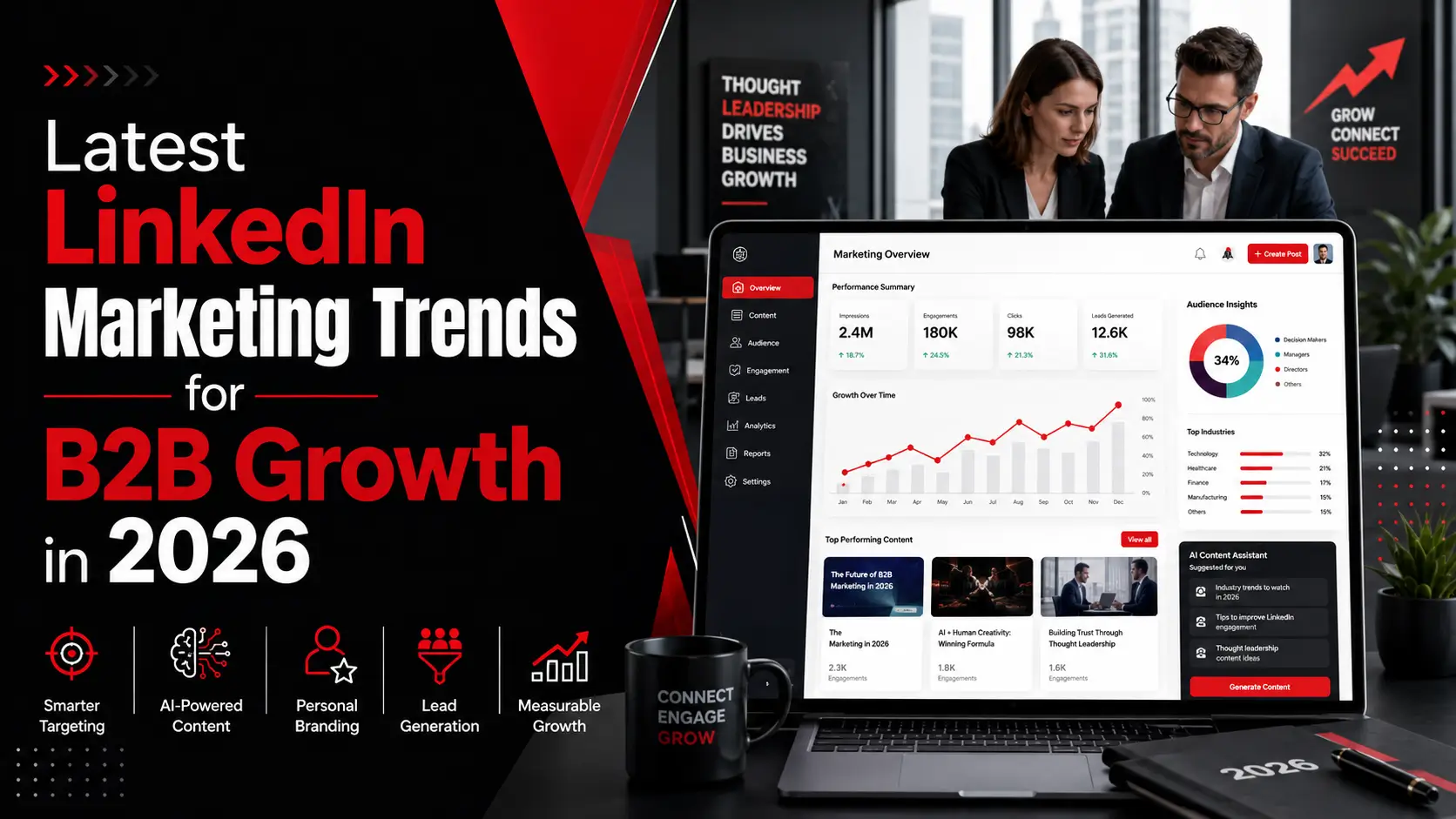
Most businesses still treat LinkedIn like a digital notice board, but that approach is quickly becoming outdated as LinkedIn marketing trends reshape how brands build visibility, attract decision-makers, and grow authority online. The platform is now driven by smarter targeting, engaging content formats, and data-led strategies that support real B2B growth.
In this blog, we will discuss the latest trends shaping LinkedIn and how they are influencing modern marketing strategies. Companies that adapt early are building stronger trust and staying ahead in increasingly competitive digital markets.
Why LinkedIn is Important for B2B Growth
A common question many businesses ask is, "Is LinkedIn good for B2B marketing?" The answer is yes, LinkedIn is now the most effective platform for professional audience targeting and decision-maker engagement.
Key advantages include:
- Direct access to industry leaders and executives
- High-intent professional audience
- Strong credibility compared to other platforms
- Scalable B2B LinkedIn marketing opportunities
This makes LinkedIn a core channel for modern B2B acquisition strategies.
Looking to scale your brand with proven LinkedIn strategies? Our LinkedIn Marketing Agency helps B2B companies grow faster.
Work with usKey Industry Statistics (Latest Insights)
Recent insights from LinkedIn Business and marketing research reports highlight important trends:
- Over 80% of B2B social media leads come from LinkedIn
- LinkedIn users are 2x more likely to engage with professional content than other platforms
- Video content sees significantly higher engagement than text-only posts
- Decision-makers typically engage with multiple touchpoints before making a purchase decision
These insights confirm why LinkedIn marketing trends 2026 are shaping global B2B strategies.
10 Latest LinkedIn Marketing Trends for B2B Growth in 2026 & Beyond
Explore evolving LinkedIn strategies driving B2B growth through AI, content innovation, targeting, and engagement in 2026.
1. AI is Driving the Future of LinkedIn Marketing
AI is transforming how brands approach LinkedIn marketing trends and campaign execution. From automation to predictive targeting, AI is now central to performance marketing.
Key applications include:
- Automated content creation and optimisation
- Predictive audience targeting
- Smart lead scoring systems
This shift is improving LinkedIn lead generation by making campaigns more precise and scalable.
2. Personal Branding Outperforms Company Pages
One of the strongest trends is the shift from brand-led marketing to people-led influence.
Personal profiles consistently outperform company pages because:
- The LinkedIn algorithm prioritises human content
- Posts from individuals get higher reach and engagement
- Decision-makers trust people more than brands
This has led to the rise of:
- Founder-led content strategies
- Employee advocacy programs
- Subject-matter experts becoming brand voices
In 2026, a company without active personal voices is significantly less visible on LinkedIn.
3. Thought Leadership is Now a Buying Trigger
Thought leadership is no longer just brand positioning. It directly influences purchase decisions.
B2B buyers increasingly evaluate:
- Industry expertise
- Insight quality
- Opinion-driven content
- Real-world experience and case studies
Strong thought leadership builds trust before any sales interaction happens. Companies that consistently publish insights are more likely to be shortlisted during vendor selection.
4. Video and Short-Form Content Dominate Engagement
LinkedIn has shifted heavily toward visual content.
What performs best now:
- Short educational videos
- Founder explainers
- Product breakdown clips
- Behind-the-scenes insights
Video content is especially effective because it builds trust faster than text-based posts and increases dwell time, which boosts algorithmic reach. Static text posts still work, but only when they generate meaningful engagement.
5. Organic Reach is Declining, But Engagement Quality is Rising
While LinkedIn remains strong for organic growth, reach is more selective now.
Key changes:
- The company page's reach has decreased
- Engagement quality matters more than posting frequency
- Comments, saves, and conversations drive visibility
High-performing content typically includes:
- Carousel documents (PDF posts)
- Story-driven insights
- Opinion-based posts that invite discussion
The focus has shifted from posting more to creating content that starts conversations.
6. LinkedIn Ads Are Becoming a Precision B2B Tool
Paid advertising on LinkedIn is now one of the most effective B2B acquisition channels.
Why it works:
- Precise targeting by job title, industry, and company size
- High-quality lead generation forms
- Strong alignment with decision-makers
Unlike other platforms, LinkedIn ads often reach users in a professional mindset, making conversions more valuable even if the cost per click is higher.
7. Employee Advocacy is a Growth Multiplier
Companies are increasingly turning employees into content distributors.
Why it matters:
- Multiple voices expand reach organically
- Employee posts outperform brand posts
- Networks compound visibility rapidly
Organisations with active employee participation often see significantly higher engagement and brand awareness compared to single-channel posting strategies.
8. LinkedIn is Now a Full-Funnel B2B Platform
LinkedIn is no longer just top-of-funnel awareness. It now supports the entire buyer journey:
Awareness → Educational content and thought leadership
Consideration → Case studies and product insights
Conversion → Retargeting ads and lead generation forms
B2B buyers often interact with multiple LinkedIn touchpoints before making a decision. This makes consistency across content types critical.
9. The Rise of Authenticity Over Corporate Messaging
One major shift in 2026 is the demand for authenticity.
What no longer works:
- Overly polished corporate posts
- Generic marketing language
- Sales-heavy content
What works:
- Real experiences
- Honest opinions
- Practical insights from the field
- Transparent storytelling
Audiences are increasingly filtering out anything that feels scripted.
10. Hyper-Personalised Outreach at Scale
Generic messaging is no longer effective. Modern outreach uses:
- Personalisation at scale
- AI-based segmentation
- Behavior-driven targeting
Need help building your LinkedIn strategy or improving lead generation?
We help businesses improve visibility on LinkedIn, generate qualified B2B leads, and build strong content systems.
Contact us todayWhat B2B Companies Should Focus on Next
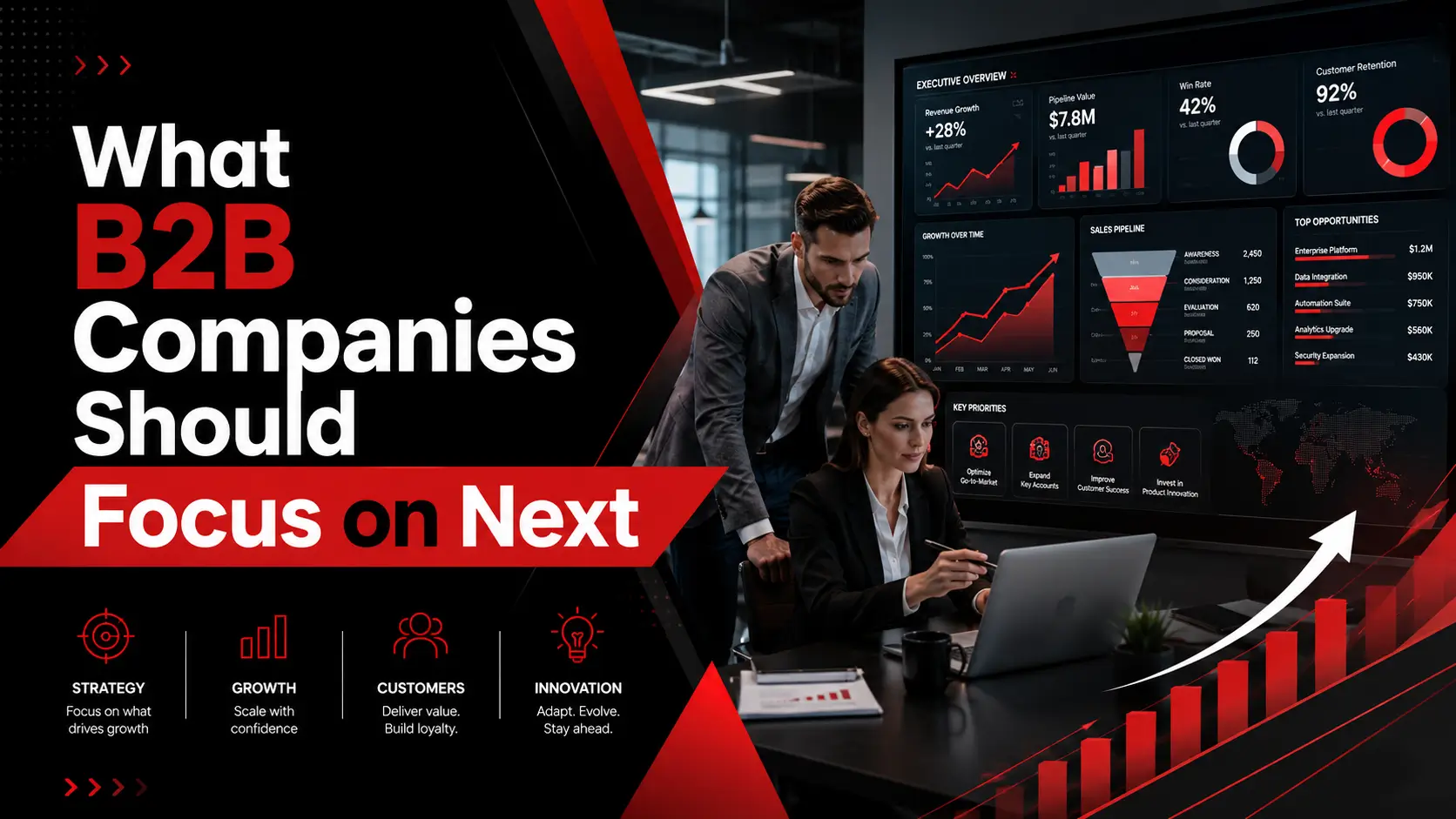
To stay competitive on LinkedIn, B2B brands should prioritise:
- Building strong personal brands within their team
- Integrating AI into content workflows
- Investing in video-first content strategies
- Encouraging employee participation
- Combining organic content with targeted paid campaigns
The winning strategy is no longer about posting more. It is about building authority through consistent, human-centered content.
Final Thoughts
LinkedIn marketing trends in 2026 show a clear shift toward AI-driven strategies, personal branding, and high-quality engagement. Businesses that adapt to these changes can improve visibility, generate stronger B2B leads, and build lasting authority.
Success now depends on combining content, data, and authenticity to stay competitive in a fast-evolving LinkedIn ecosystem for sustainable long-term growth.
FAQs About LinkedIn Marketing Trends 2026
1. What are the latest LinkedIn marketing trends?
The latest LinkedIn marketing trends include AI automation, video content, personal branding, and engagement-focused strategies.
2. Is LinkedIn good for B2B marketing?
Yes, LinkedIn is one of the most effective platforms for B2B LinkedIn marketing, offering high-quality leads and decision-maker access.
3. How does LinkedIn generate leads?
LinkedIn generates leads through content engagement, ads, messaging, and thought leadership-based trust building.
4. What is the best LinkedIn strategy for B2B companies?
The best strategy includes personal branding, consistent posting, employee advocacy, and targeted advertising.
5. How can businesses improve LinkedIn lead generation?
Businesses can improve results by using AI tools, optimising profiles, posting valuable content, and combining organic and paid strategies.
Spotlight GB
Editorial Team


