
How Brands Are Winning Gen Z Through Meme Marketing
Want to connect with Gen Z without sounding like you’re trying too hard? Meme marketing might be your smartest move. It blends humor, relatability, and internet culture in a way that feels natural. And for a generation that scrolls fast and skips ads, that matters.
But here’s the catch. Not every meme works. Random trends, overused templates, or forced jokes can fall flat. The real win comes from understanding what works and why.
Let’s break it down in a way that’s easy, practical, and actually useful.
What is Meme Marketing?
At its core, meme marketing is about using viral content formats, images, videos, or short text to promote your brand in a way that feels organic.
Think about the memes you see daily. They’re quick, funny, and instantly relatable. That’s exactly why brands use them.
Instead of selling directly, memes create a moment. And that moment leads to:
-
Shares -
Comments -
Brand recall
That’s also where meme advertising stands apart from traditional marketing. It doesn’t interrupt. It blends in.
Example:
When Netflix used “Wednesday Addams” clips to create memes, people didn’t feel marketed to. They just shared them. That’s the magic.
Why Meme Marketing Works So Well with Gen Z
Gen Z grew up online. Memes aren’t just content for them; they’re a language.
They use memes to:
-
Express emotions -
React to situations -
Connect with others
That’s why meme marketing works. It speaks in a format they already understand.
A few quick insights:
-
Memes get up to 10x more reach than regular posts -
Around 60% higher engagement than standard visuals -
Most Gen Z users share memes weekly
So if you’re wondering, does meme marketing work? The answer is yes, when done right.
Top Trending Meme Formats Gen Z Can Use in 2026 and Beyond
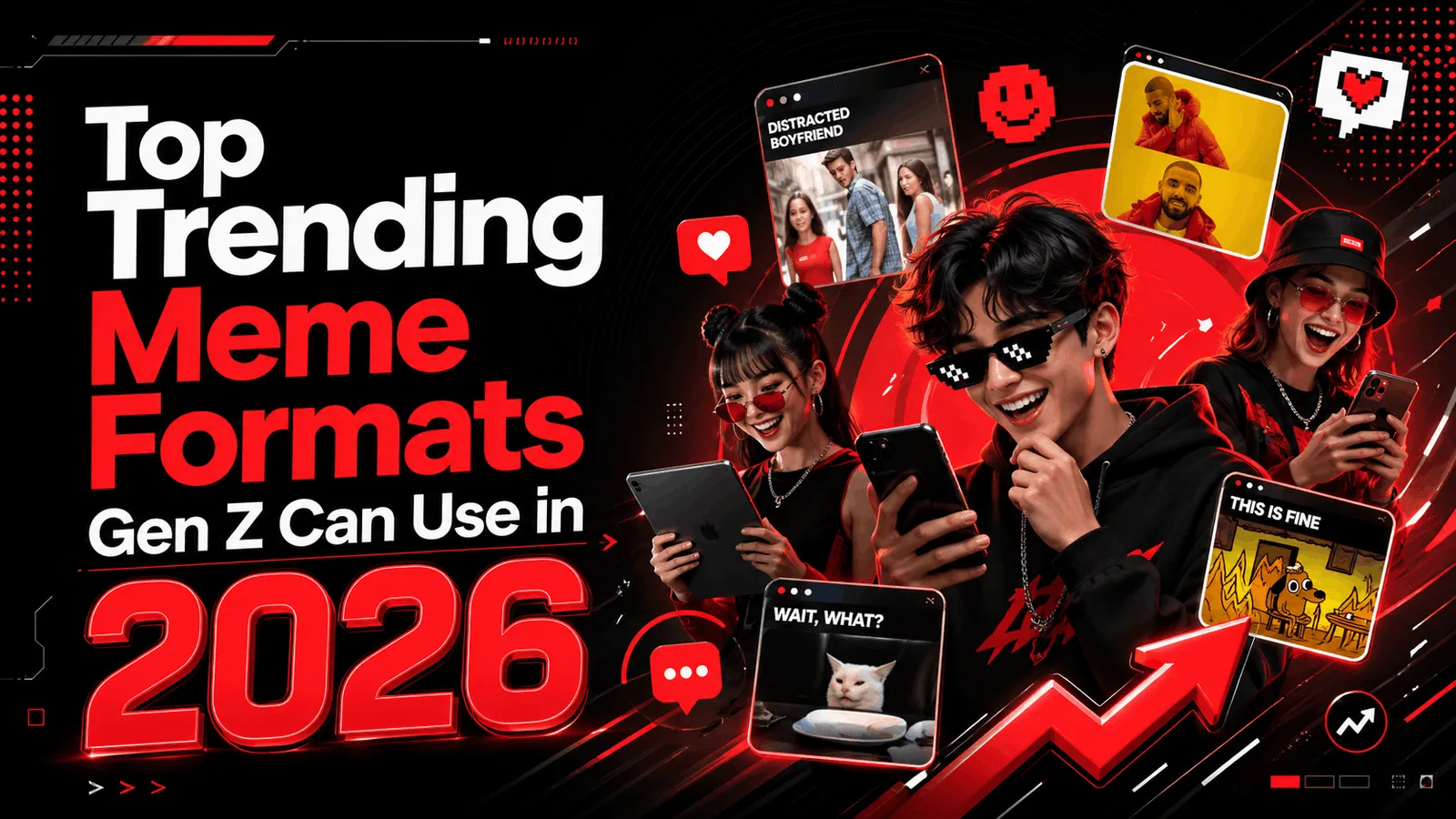
Meme culture keeps evolving, but some formats are becoming long-term favorites for Gen Z. Instead of chasing random viral posts, brands and creators are now focusing on repeatable meme styles that stay relevant across platforms.
Below are some of the most effective meme formats expected to dominate in 2026 and beyond:
Brands That Nailed It
Let’s look at some real examples of viral meme campaigns by brands.
1. Netflix’s Meme Game
Netflix constantly turns its shows into memes. From Stranger Things to Money Heist, they pick scenes that are already relatable.
Result? People who haven’t even watched the show still engage with the content. That’s a strong brand meme strategy in action.
2. Dunkin’ x Charli D’Amelio
Dunkin’ partnered with TikTok star Charli D’Amelio and created “The Charli” drink.
What happened next?
-
Fans started posting memes -
User-generated content exploded -
Dunkin’ joined in with witty responses
This is a perfect mix of influencer culture and meme social media marketing.
3. Rhode Skin’s Viral Aesthetic
Hailey Bieber’s Rhode Skin didn’t rely on heavy ads. Instead, it leaned into trends like “glazed donut skin.”
People created:
-
Memes -
Reaction videos -
Skincare jokes
It turned into one of the most relatable and shareable funny brand content ideas online.
How to Build a Meme Strategy That Actually Works
You don’t need a big budget. You need the right approach.
1. Know Your Audience First
Before jumping into meme marketing, ask:
-
What does your audience find funny? -
What trends do they follow?
Memes that miss the tone can backfire quickly.
2. Be Fast with Trends
Timing matters more than perfection.
Most memes last only a few weeks. If you’re late, it’s over.
For a strong meme strategy for an Instagram business, keep an eye on:
-
Trending sounds -
Viral formats -
Popular captions
Act fast, but stay relevant.
3. Keep It Simple
The best memes are easy to understand in seconds.
No long captions.
No overthinking.
Just one clear idea.
That’s also why people ask why memes increase engagement—because they’re quick and effortless to consume.
4. Stay On-Brand
Not every meme fits every brand.
If your tone is premium or serious, adjust the humor accordingly. Forced jokes feel obvious.
Good meme marketing always matches the brand voice.
5. Let Your Audience Join In
Want more reach without extra effort?
Invite your audience to create memes.
Ask simple questions like:
-
“Your Monday mood in one meme?” -
“Describe your workday with a meme.”
User-generated memes can outperform branded content.
Final Thoughts
Meme marketing works best when it feels effortless. Gen Z doesn’t engage with content that looks overly planned or promotional. They connect with brands that understand their humor, timing, and culture.
If your content feels relatable, current, and honest, you’re already ahead. Focus on building a connection first, and the engagement will follow. Over time, this approach doesn’t just bring visibility, it builds a brand people actually enjoy interacting with.
FAQs
1. Does meme marketing really work for small brands?
Yes. In fact, small brands often perform better because they can be more flexible and experimental.
2. How often should brands post memes?
2–4 times a week is a good start, depending on how active your audience is.
3. Can meme marketing damage a brand’s image?
It can if done poorly. Using outdated or insensitive memes can backfire quickly.
4. What platforms are best for meme marketing?
Instagram, TikTok, and Twitter/X are currently the most effective platforms.
5. Do I need design skills to create memes?
Not necessarily. Simple formats with strong ideas often perform better than heavily designed content.
Spotlight GB
Editorial Team


